Published · Updated by Yorkshire Damp & Mould
Damp is one of the most common problems in British homes, and Yorkshire's mix of older stone and brick terraces, exposed hillsides and wet winters makes it especially familiar here. The difficulty is that damp is a symptom rather than a cause. Before anything can be fixed properly, you need to know where the moisture is coming from. In almost every case it falls into one of three categories.
Condensation
Condensation is by far the most common cause of damp and mould in UK homes. Everyday living – cooking, showering, drying clothes indoors, even breathing – puts several litres of water vapour into the air each day. When that warm, moist air meets a cold surface such as a window, an external wall or the corner of a ceiling, it turns back into water.
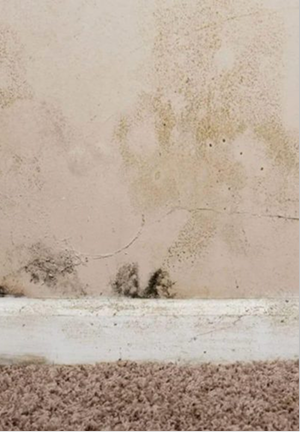
Typical signs are streaming windows in the morning, black mould spots in corners, behind furniture and around window reveals, and a musty smell. Condensation is usually worst in winter, in bedrooms and bathrooms, and in homes where windows have been replaced or vents blocked without any extra ventilation added.
Penetrating damp
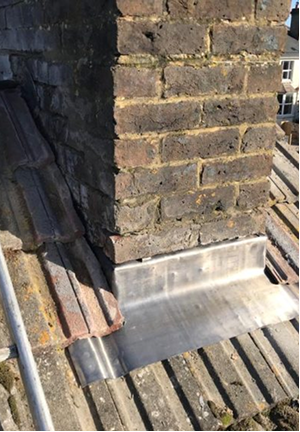
Penetrating damp happens when water gets in from outside through a defect in the building. Common culprits include cracked or eroded pointing, damaged render, porous brickwork, leaking or blocked gutters and downpipes, failed flashing around chimneys and roofs, and poorly sealed window frames.
It tends to appear as patches that grow or darken after heavy rain, often at higher levels or on walls exposed to the prevailing weather. Unlike rising damp, it moves sideways through the wall rather than up from the ground.
Rising damp
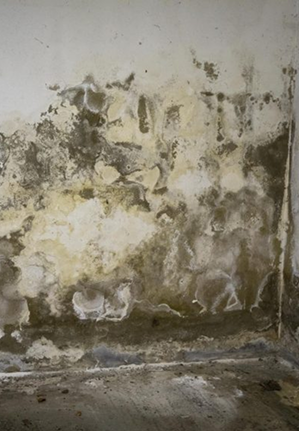
Rising damp is groundwater drawn up through the masonry by capillary action. Most homes have a damp proof course (DPC) near the base of the walls to stop this, but older properties may have none, and existing courses can fail or be bridged by raised soil, patios or renders that run down past them.
The tell-tale signs are a tide mark up to around a metre above the floor, salt deposits that leave a white, fluffy bloom on the plaster, and skirting boards that are soft or rotting. Rising damp is genuinely less common than many people think, and it is often misdiagnosed.
Why a proper diagnosis matters
Because all three types can look alike to the naked eye, it is easy to spend money on the wrong treatment – for example injecting a chemical DPC when the real problem is a leaking gutter or poor ventilation. A professional survey using moisture meters, thermal imaging and temperature, humidity and dew-point readings takes the guesswork out of it, so the treatment targets the actual cause and the problem does not come back.
Related help
If this sounds like your home, our damp and mould surveys service explains how we diagnose and treat it in practice. You may also find Signs You Need Damp Proofing and Damp Patches on an Interior Wall useful.
Need help with this?
Our team covers Leeds and across Yorkshire. Call 07518 705555 or find out more about our service.
Book a damp survey