Published · Updated by Yorkshire Damp & Mould
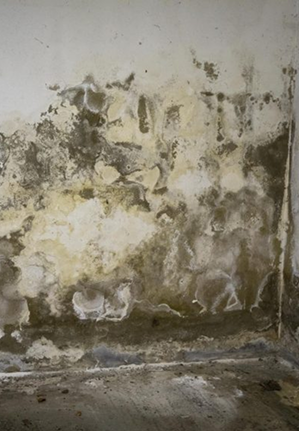
Damp rarely fixes itself. The sooner you spot it, the cheaper and simpler it is to put right, and the less damage it does to plaster, timber and decoration. Here are the warning signs to look out for around your home, and what each one can indicate.
Tide marks on lower walls
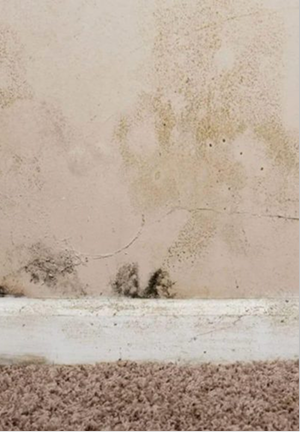
A wavy brown or yellow line running along the bottom of a wall, often up to around a metre high, is a classic sign of moisture rising from the ground. It can point to a missing, failed or bridged damp proof course.
White, fluffy salt deposits
As groundwater evaporates from a wall it leaves behind salts that crystallise on the surface. These salts also attract moisture from the air, so the wall can stay damp even after the original source is fixed – which is why contaminated plaster often needs to be replaced as part of damp proofing.
Peeling paint, bubbling plaster and loose wallpaper
Moisture trapped in the wall pushes finishes away from the surface. If you are repeatedly redecorating the same area, it is a strong sign the problem is in the wall itself rather than the decoration.
Damp patches that change with the weather
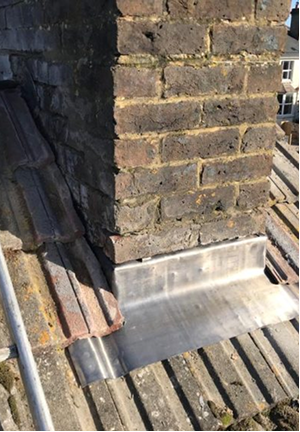
Patches that grow or darken after heavy rain usually indicate penetrating damp – water coming through defective pointing, render, guttering or brickwork from outside.
Rotting skirting boards and floor timbers
Soft, crumbling or discoloured skirting, or floors that feel spongy, can mean timbers have been exposed to moisture for some time. Left alone this can lead to wet or dry rot, which is far more costly to deal with.
A persistent musty smell
That stale, earthy smell is often the first thing people notice, especially in cellars, under-stairs cupboards and rooms that are not used often.
What to do next
Not every damp patch needs a chemical damp proof course. Many cases turn out to be condensation or a simple external defect, and some homes are sold treatments they did not need. The right first step is a proper survey that identifies whether the damp is rising, penetrating or condensation, and where the water is actually getting in. Only then can you be confident the work you pay for will solve the problem.
Related help
If this sounds like your home, our damp proofing service explains how we diagnose and treat it in practice. You may also find What Causes Damp in Homes and How to Stop Damp Coming Back useful.
Need help with this?
Our team covers Leeds and across Yorkshire. Call 07518 705555 or find out more about our service.
See our damp proofing service