Published · Updated by Yorkshire Damp & Mould
Once damp has been treated, the last thing anyone wants is to see it reappear a year or two later. Most recurring damp comes down to the original cause not being fully dealt with, or to small maintenance issues creeping back. The good news is that a little regular attention goes a long way.
Look after the outside of the building
Penetrating damp starts outside, so the building's shell is your first line of defence. At least once a year, and after storms, check:
• Gutters and downpipes – clear leaves and moss, and look for leaking joints or overflowing sections that soak the wall below.
• Pointing – crumbling or missing mortar lets rain straight into the wall. Repointing with a suitable mortar keeps the masonry sound.
• Render – hairline cracks let water in but stop it drying out. Have cracked or hollow render repaired.
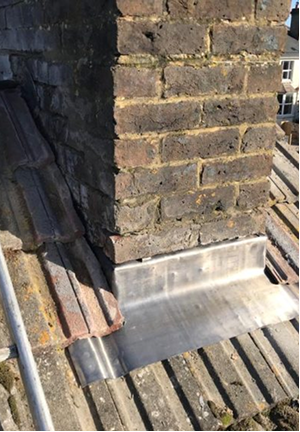
• Chimneys and roofs – slipped slates and failed lead flashing around chimney stacks are frequent sources of damp on upper floors and chimney breasts.
Don't bridge the damp proof course
Garden soil, raised flower beds, patios and paths should sit at least 150mm below the damp proof course. If they are built up against the wall, moisture can bypass the DPC entirely. The same applies to external render that runs down to ground level.
Keep air moving inside
Condensation is the most common reason mould returns. Make sure extractor fans actually work and are used, keep trickle vents open, and avoid drying clothes on radiators in closed rooms. In homes with persistent condensation, a Positive Input Ventilation unit can make a major difference by keeping a constant, gentle flow of fresh air through the house.
Allow treated walls to dry out
After damp proofing, walls can take many months to dry fully – roughly a month for every 25mm of wall thickness is a common rule of thumb. Use breathable finishes during this period, follow the drying and redecoration advice you are given, and resist covering walls with vinyl wallpaper or heavy furniture straight away.
Get small problems checked early
A new damp patch, a smell or a bit of mould in a corner is much easier to deal with when it first appears. If something does not look right, an inspection will confirm whether it is a minor maintenance issue or something that needs treatment – before it turns into a bigger job.
Related help
If this sounds like your home, our damp proofing service explains how we diagnose and treat it in practice. You may also find Signs You Need Damp Proofing and Cracked Paint from Moisture useful.
Need help with this?
Our team covers Leeds and across Yorkshire. Call 07518 705555 or find out more about our service.
See our damp proofing service