Published · Updated by Yorkshire Damp & Mould
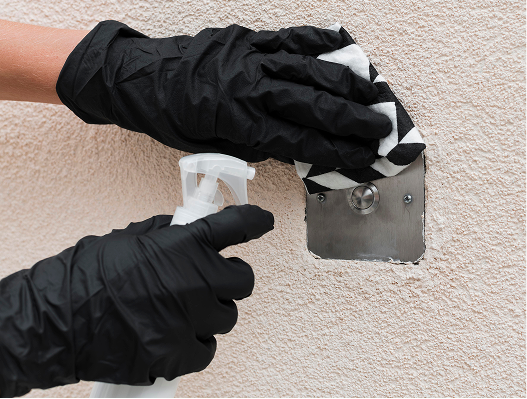
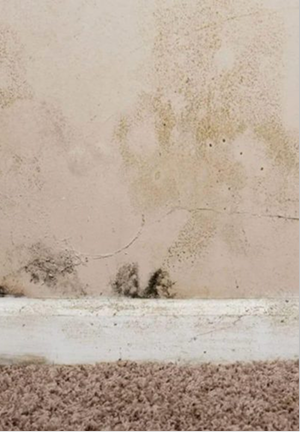
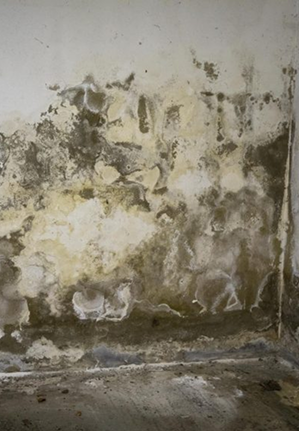
Black mould is unpleasant to look at, damages decoration and furnishings, and can aggravate asthma, allergies and other respiratory conditions. Most people's first reaction is to grab the bleach. That may make the wall look clean for a few weeks, but if nothing else changes the mould will almost always return – often in exactly the same place.
Why surface cleaning isn't enough
Mould needs three things to grow: moisture, a surface to feed on, and still air. Household bleach removes the visible staining but does little to the spores rooted in porous plaster, silicone or paint, and it adds more water to the surface in the process. Unless the moisture source is dealt with, the conditions that allowed mould to grow in the first place are still there.
Step one: find out why it is there
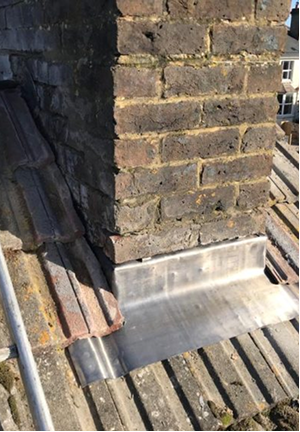
In the majority of homes the cause is condensation, but mould can also be fed by penetrating damp, plumbing leaks or rising damp. Look at where it appears. Mould in cold corners, behind wardrobes and around windows suggests condensation. Mould that worsens after rain points to water getting in from outside. A professional assessment will confirm which applies, including checks of the external pointing, gutters, ventilation, radiator placement and how the property faces.
Step two: treat the mould properly
Affected areas should be treated with a proper fungicidal wash that kills spores rather than just bleaching them, followed by an appropriate mould-resistant finish. Badly affected materials such as heavily colonised silicone sealant, wallpaper or plasterboard may need to be removed and replaced rather than cleaned.
Step three: control moisture and airflow
This is the step that makes the difference between a temporary and a permanent fix. Depending on the property, that might mean:
• Fitting or upgrading extractor fans in kitchens and bathrooms so steam is removed at source.
• Installing trickle vents on windows to allow constant background ventilation.
• A Positive Input Ventilation (PIV) system that gently introduces filtered air and pushes moist air out of the home.
• Anti-condensation or graphite thermal liners on cold external walls so their surface temperature stays above the dew point.
Everyday habits that help
Keep lids on pans, run the extractor during and after showers, dry washing outside or in a ventilated room, leave a small gap between furniture and external walls, and keep the home at a steady, moderate temperature rather than letting it go very cold and then heating it quickly.
Combined with the right treatment and ventilation, these steps are what turn mould removal into a lasting result rather than a job you have to repeat every winter.
Related help
If this sounds like your home, our mould removal and remediation service explains how we diagnose and treat it in practice. You may also find Why Does Mould Keep Coming Back and Black Mould on a Bathroom Wall useful.
Need help with this?
Our team covers Leeds and across Yorkshire. Call 07518 705555 or find out more about our service.
See our mould remediation service