Published · Updated by Yorkshire Damp & Mould
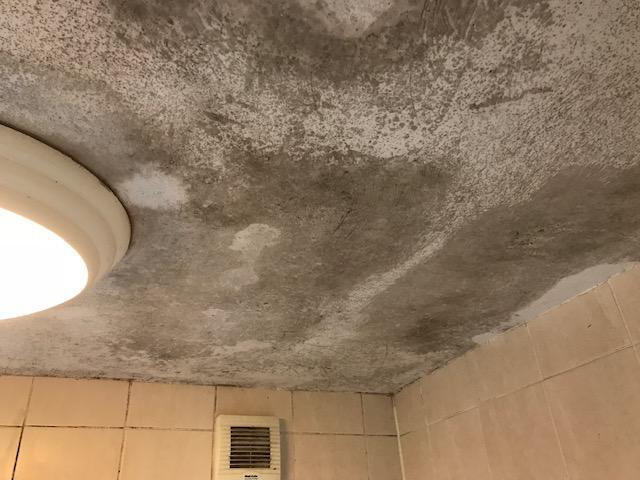
Bathrooms are the room in the house most likely to suffer from black mould. A single hot shower can release a large amount of water vapour into a small space, and if that moisture has nowhere to go it settles on the coolest surfaces – the ceiling, the corners, the window reveal and the silicone around the bath or shower tray.
Common causes
• No extractor fan, or one that is too small, blocked or switched off.
• A fan that stops as soon as the light goes off, before the room has cleared.
• The door kept shut and the window closed after bathing.
• A cold external wall or a ceiling under a poorly insulated loft.
• Towels drying in the room with no airflow.
Get the extraction right
A good quality extractor fan is the single most effective fix. It should be sized for the room, ducted correctly to the outside, and ideally fitted with a run-on timer or humidity sensor so it keeps working after you leave. We install Envirovent extractor fans, which are designed to run quietly and efficiently so people actually keep them switched on.
Whole-house ventilation
In homes where condensation is a problem in several rooms, a Positive Input Ventilation (PIV) system can help alongside the bathroom fan. It gently introduces filtered air, usually from the loft, which helps push moist air out and lowers humidity across the house. Trickle vents on windows add constant background ventilation.
Treat and protect the surfaces
Existing mould should be treated with a fungicidal wash rather than just bleached. Silicone sealant that has gone black usually needs cutting out and replacing, because the mould grows into the sealant itself. Finishing with a mould-resistant paint adds a further layer of protection, and anti-condensation or thermal liners can help on particularly cold walls or ceilings.
Simple daily habits
Run the fan during and for at least 15 to 20 minutes after a bath or shower, wipe down screens and tiles, keep the door closed while bathing so steam does not spread through the house, then open the window briefly once you are done. Small habits combined with proper extraction make a real difference.
If mould keeps returning despite all this, there may be another moisture source involved, such as a leak or penetrating damp, and a survey is worth arranging.
Related help
If this sounds like your home, our mould removal and remediation service explains how we diagnose and treat it in practice. You may also find How to Get Rid of Mould Permanently and Mould Near a Bedroom Window useful.
Need help with this?
Our team covers Leeds and across Yorkshire. Call 07518 705555 or find out more about our service.
See our mould remediation service