Published · Updated by Yorkshire Damp & Mould
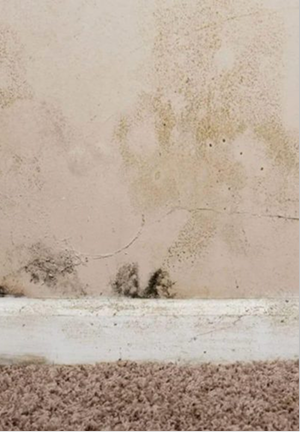
A damp patch appearing on an inside wall can be worrying, especially when that wall is not an external one. The location, shape and behaviour of the patch give strong clues about its cause, and working through them methodically usually points to the source.
Is the wall internal or external?
Patches on external walls are most often caused by condensation or penetrating damp. Patches on genuinely internal walls – ones with a room on both sides – are more likely to come from plumbing, a chimney breast, rising damp at low level, or water tracking along from somewhere else in the structure.
Check for leaks first
Hidden pipework is one of the most common causes of a sudden damp patch, particularly near bathrooms, kitchens, radiators and the ceiling below a bathroom. A patch that grows steadily regardless of the weather, or that is wettest near pipe runs, deserves a plumber's check before anything else.
Chimney breasts
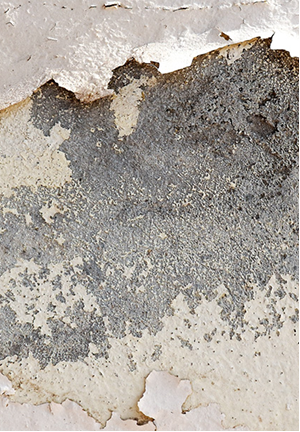
Damp on a chimney breast is very common in older Yorkshire homes. Rain can enter through an uncapped pot or failed flashing, and sealed fireplaces without ventilation trap moisture inside the flue. Old flues also hold salts from decades of burning fuel, which draw moisture from the air and cause brown staining that keeps reappearing through paint.
Low-level patches
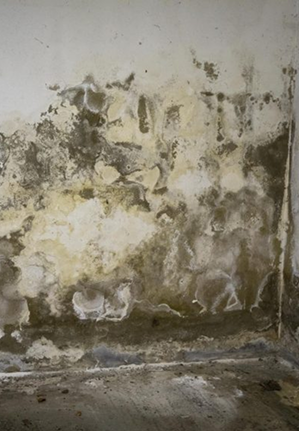
A band of damp along the bottom of the wall, sometimes with a tide mark and white salts, can indicate rising damp or a bridged damp proof course. It can also be caused by spilt water, leaking appliances or high external ground levels on the other side of a party wall.
Patches that change with the weather
If the patch gets worse after rain, water is very likely entering from outside, even if it shows up some distance from the actual defect. If it is worse on cold mornings and in rooms with lots of moisture, condensation is the likelier cause.
Why accurate testing helps
Surface moisture meters on their own can be misleading, particularly on walls contaminated with salts. A professional survey combines meter readings with thermal imaging, temperature, humidity and dew-point measurements and an inspection of the outside of the building. That makes it possible to say with confidence whether the patch is caused by a leak, penetrating damp, rising damp or condensation, and to recommend the right fix rather than a guess.
Related help
If this sounds like your home, our damp and mould surveys service explains how we diagnose and treat it in practice. You may also find What Causes Damp in Homes and Cracked Paint from Moisture useful.
Need help with this?
Our team covers Leeds and across Yorkshire. Call 07518 705555 or find out more about our service.
Book a damp survey