Published by Yorkshire Damp & Mould
Positive Input Ventilation, usually shortened to PIV, is one of the most effective tools for homes that suffer from condensation in several rooms. It is also widely misunderstood. Some people expect it to cure every kind of damp; others assume it will make the house cold or noisy. This guide explains what a PIV system actually does, the situations where it helps most and the ones where something else is needed.
What a PIV unit does
A PIV system is a fan unit that gently and continuously supplies filtered fresh air into the home. In a typical house the unit is installed in the loft, where the air is drier and slightly warmer than outside, and feeds air down through a diffuser in the landing or hallway ceiling. In flats and homes without a loft, a wall-mounted version takes air from outside instead. Many units can temper the incoming air so it does not feel like a draught.
Supplying air into the house creates a very slight positive pressure. The moist, stale air already inside is pushed out through the natural gaps in the building, trickle vents and extractor routes. In effect the whole house is being slowly and constantly refreshed, which dilutes the humidity that would otherwise condense on cold walls and windows.
Where PIV tends to help
• Streaming windows in bedrooms and living rooms every morning.
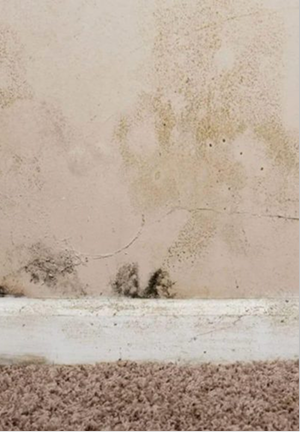
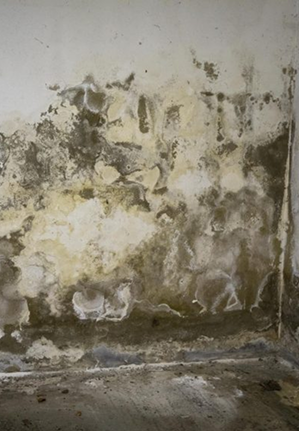
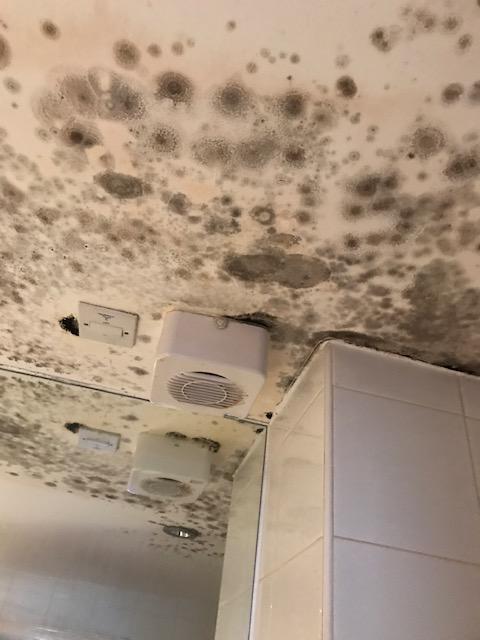
• Mould spotting on several walls and ceilings rather than one isolated patch.
• Homes that have been sealed up with new windows, doors and draught-proofing but have little background ventilation.
• Musty, stuffy air and a general feeling of dampness throughout the property.
What it will not fix
PIV deals with moisture in the air. It cannot stop rainwater coming through a wall, ground moisture rising from below or water escaping from a leaking pipe. If those are behind the problem, they need repairing directly, and ventilation alone would only mask them for a while. It also does not replace extractor fans; kitchens and bathrooms produce large bursts of steam that need removing at the source. Existing mould still needs proper treatment, as fresh air will not remove growth that is already established.
Questions worth asking before fitting
Before choosing a unit, it is sensible to ask:
• Is condensation definitely the main cause, or is there structural damp as well?
• Is a loft-mounted or wall-mounted unit right for this layout?
• Where will the diffuser go, and how will air leave the property?
• What are the running costs, noise level and filter maintenance for the specific model?
Answers depend on the model and the property, so ask for them in writing rather than relying on general claims. PIV units need a mains electrical connection, and that work should always be done by a qualified professional.
Living with PIV
Results are rarely overnight. The house has to dry out gradually, and soft furnishings and plaster hold moisture for some time. Keep using extractor fans, keep trickle vents open and carry on with sensible habits such as drying clothes outside where possible. Check and change filters on schedule so airflow stays strong.
Our approach
We assess moisture production, air movement and cold surfaces before recommending PIV, and fit it alongside Envirovent extractor fans, trickle vents or thermal liners where that suits the home. If you think your home might benefit, call 07518 705555 or send us an enquiry and we can come and take a look.
Frequently Asked Questions
Where is a PIV unit installed?
In most houses the unit sits in the loft and delivers air through a ceiling diffuser on the landing or in a hallway. Homes without a suitable loft can use a wall-mounted unit that draws air directly from outside.
Can PIV work in a flat without a loft?
Often, yes. Wall-mounted units are designed for flats and homes without loft space. Whether one suits a particular flat depends on its layout and where the unit can be fitted, which is checked during the assessment.
Does a PIV system replace bathroom extractor fans?
No. PIV lowers humidity across the whole home, but kitchens and bathrooms still need extractor fans to remove steam where it is produced. The two work best together.
Do PIV filters need changing?
Yes. The filters keep dust and pollen out of the air being supplied, so they need cleaning or replacing at the intervals the manufacturer sets. A clogged filter reduces airflow and makes the unit less effective.
Related help
If this sounds like your home, our ventilation, extractor fans and PIV service explains how we diagnose and treat it in practice. You may also find Condensation on Windows: Causes and How to Stop It and Black Mould on a Bathroom Wall useful.
Need help with this?
Our team covers Leeds and across Yorkshire. Call 07518 705555 or find out more about our service.
See our ventilation service