Published by Yorkshire Damp & Mould
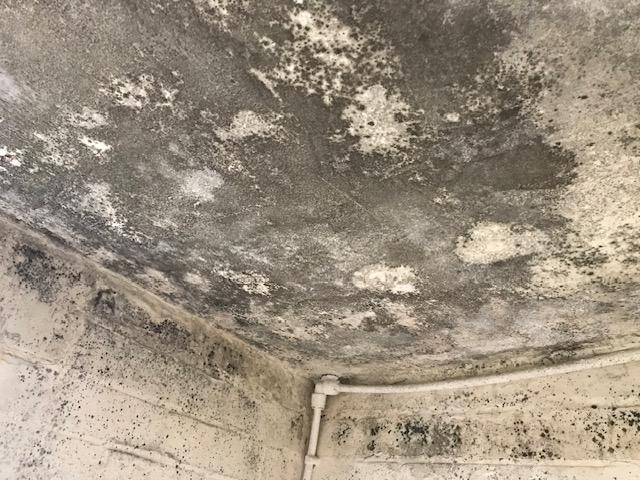
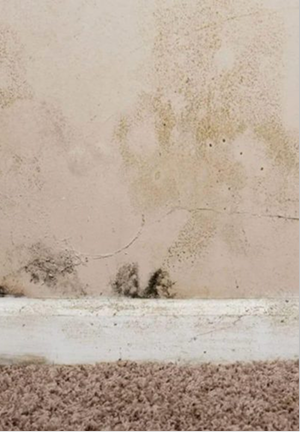
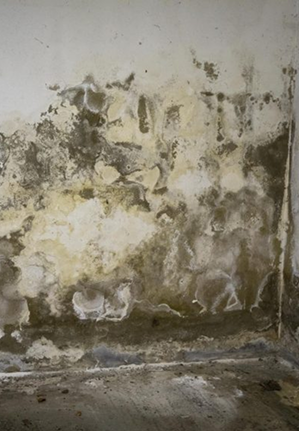
Spotting black or green patches on a wall is unpleasant, and the natural reaction is to scrub them off as quickly as possible. Cleaning does have its place, but done carelessly it can spread spores around the room, and done on its own it rarely solves anything. This guide covers how to tackle a small area safely, when to stop and get help, and what needs to change so the wall stays clear.
First, check whether you should do it yourself
Small areas of surface mould, roughly the kind of patch you could cover with a couple of tea towels, can usually be cleaned by a healthy adult. Leave it to a professional if the mould covers a large area, keeps coming back after cleaning, has grown into plaster or plasterboard, or follows a flood or sewage leak. Anyone with asthma, allergies, a lung condition or a weakened immune system should not clean mould themselves. If anyone in the home has symptoms they think may be linked to mould, follow NHS guidance and see a GP.
Getting ready
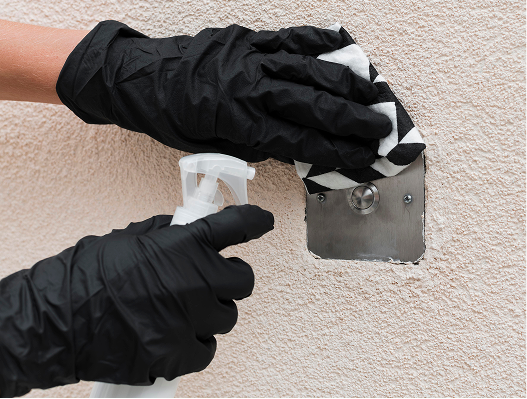
Open the window and close the door to the rest of the house. Move soft furnishings, bedding and clothing away from the wall, or cover them. Put on rubber gloves, goggles and a mask, and wear clothes that can go straight in the wash. Have a bucket, cloths you are happy to throw away and a plastic bag ready before you start.
Cleaning the patch
Do not brush or vacuum dry mould, as that throws spores into the air. Instead, dampen a cloth with warm water and a little washing-up liquid, or use a mould-removal product strictly following the instructions on the label, and wipe the mould away gently. Rinse and wring the cloth often. When you have finished, dry the wall with a fresh cloth, put all used cloths into the bag, seal it and put it in the bin.
Never mix cleaning products. Bleach combined with other chemicals can give off dangerous fumes, and bleach on its own often removes the colour without dealing with mould rooted in porous surfaces. Let the room air for a while afterwards and wash your clothes.
Finding out why it grew there
Mould grows where a surface stays damp for long enough. On walls, the cause is usually one of three things: condensation settling on a cold surface, water getting in from outside, or a leak from pipework. Look at the pattern. Spots high in corners, behind furniture or around windows point towards condensation. A patch that darkens after heavy rain suggests penetrating damp. A wet area near pipes, radiators or below a bathroom suggests a leak.
Stopping it coming back
Once you know the likely cause, the fix becomes clearer. For condensation, reduce the moisture you produce, run extractor fans, keep trickle vents open and keep rooms at a steady temperature. Leave a gap of a few centimetres between large furniture and external walls so air can move behind it. For a leak, get the plumbing repaired. For water coming in from outside, the pointing, render, gutters or seals need putting right before redecorating.
Where a wall is simply too cold, an anti-condensation or graphite thermal liner can raise its surface temperature. In homes with condensation in several rooms, Positive Input Ventilation can bring humidity down across the house. A mould-resistant paint is a useful final layer, but only once the moisture problem has been dealt with.
When to get it looked at
If mould returns within weeks of cleaning, covers a large area or appears with damp patches and a musty smell, a survey will identify what is feeding it. Our mould removal and remediation work starts with finding that cause. Call 07518 705555 or send an enquiry through the form to arrange a visit.
Frequently Asked Questions
Can I paint over mould on a wall?
Not on its own. Paint over live mould traps it, and the spots soon show through again. Clean and dry the area, deal with the moisture causing it, and only then use a mould-resistant paint if you want extra protection.
Is it safe to clean wall mould myself?
A small patch can usually be cleaned by a healthy adult with gloves, goggles and a mask in a well-ventilated room. Anyone with asthma, allergies, breathing problems or a weakened immune system should not do it, and large areas are best left to a professional.
What should I wear when cleaning mould?
Rubber gloves, eye protection and a face mask suitable for dust. Wear old clothes you can wash straight afterwards, open the windows and keep the door shut so spores do not spread to the rest of the house.
Why does mould grow on outside walls but not inside ones?
External walls are colder because one face is exposed to the weather, so moist room air condenses on them first. Mould on an external wall that gets worse after rain can also mean water is getting through the wall itself.
Related help
If this sounds like your home, our mould removal and remediation service explains how we diagnose and treat it in practice. You may also find How to Get Rid of Mould Permanently and Mould in the Bedroom: Causes, Health and Fixes useful.
Need help with this?
Our team covers Leeds and across Yorkshire. Call 07518 705555 or find out more about our service.
See our mould remediation service