Published by Yorkshire Damp & Mould
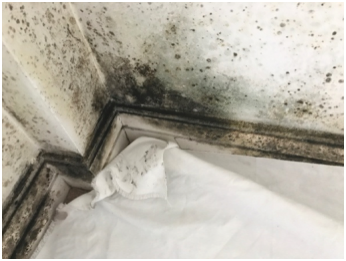
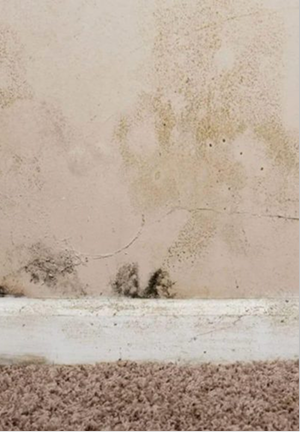
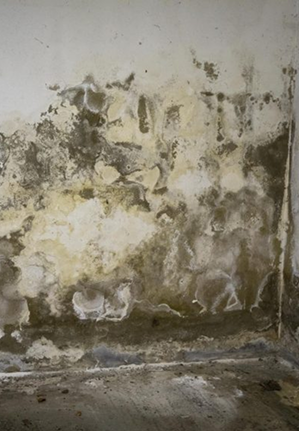
Bedrooms are one of the places mould shows up most often, and one of the places people least want it. It might start as a few dots in the top corner of the ceiling, a grey bloom behind the headboard or a musty smell from the wardrobe. Because bedrooms are closed up for hours every night, they create almost ideal conditions for it. The good news is that the causes are well understood and usually fixable.
Why bedrooms are so prone to mould
Each person breathes out water vapour all night. In a small room with the door and window shut, that moisture builds up quickly. Many people also keep bedrooms cooler than the rest of the house, which means walls and ceilings sit closer to the temperature at which water condenses. Add clothes drying on a radiator, a damp towel over a chair or a fish tank, and the air can become saturated by morning.
Furniture plays a part too. Wardrobes, chests of drawers and beds pushed tight against outside walls block warm air, leaving pockets of cold wall where condensation forms unseen.
Where to look
• Behind and inside wardrobes on external walls, including on clothes and shoes.
• Behind headboards and under beds, particularly divans and mattresses on the floor.
• Ceiling corners on outside walls and below a cold loft space.
• Around window reveals, sills, seals and the back of curtains.
Health: who should take extra care
Mould and damp can affect some people more than others. Those most at risk include people with asthma, allergies or other breathing problems, people with weakened immune systems, babies and young children, and older people. Mould is not something to ignore in a room where someone sleeps for many hours at a time. If anyone in the home has symptoms they think might be related, follow NHS guidance and see a GP. Children's bedrooms with mould should be dealt with as a priority.
Practical fixes you can start today
Air the room each morning by opening the window for a short while and wiping any water from the glass and sill. Keep trickle vents open overnight. Move furniture a few centimetres away from external walls and avoid storing boxes tight against them. Keep the room at a steady, gentle temperature rather than letting it become very cold. Dry washing elsewhere, ideally outside or in a ventilated room with the door closed.
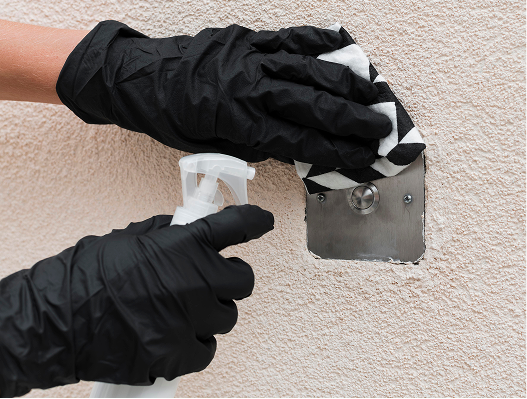
Clean small patches of mould carefully, and wash affected clothes and bedding. Mould on soft items that does not come out after washing, or that has grown into a mattress, usually means the item should be replaced.
Longer-term fixes
If mould keeps returning, the room needs better ventilation or warmer surfaces. Trickle vents can often be fitted to windows that do not have them. A Positive Input Ventilation system lowers humidity throughout the house, which is particularly effective for bedrooms. Anti-condensation or graphite thermal liners can raise the surface temperature of cold external walls and ceilings. Where mould sits alongside damp patches that worsen after rain, penetrating damp or a leak may be involved and should be checked.
Getting help
Our mould removal and remediation work starts by finding out why mould has formed, then treating it and putting prevention measures in place. If your bedroom has a mould problem you cannot shift, call 07518 705555 or send an enquiry through the form to arrange a survey.
Frequently Asked Questions
Is it safe to sleep in a room with mould?
Mould can affect some people's health, particularly those with asthma, allergies or breathing problems, babies, children and older people. If anyone has symptoms, follow NHS guidance and see a GP, and deal with the mould and its cause promptly.
Why is there mould behind my wardrobe?
A wardrobe against an outside wall stops warm air reaching that section, so the wall stays cold and moist air condenses on it unseen. Pulling the wardrobe a few centimetres away from the wall lets air circulate.
Can mould grow on a mattress?
Yes, especially when a mattress sits on the floor or on a solid base in a cold room, as moisture from the sleeper cannot escape. A slatted base and airing the bed help. A mattress with mould right through it is usually best replaced.
Should I sleep with the bedroom window open?
Opening a window a little, or keeping trickle vents open, lets moisture from breathing escape overnight. In very cold weather, trickle vents or a whole-house ventilation system give steadier airflow without making the room uncomfortable.
Related help
If this sounds like your home, our mould removal and remediation service explains how we diagnose and treat it in practice. You may also find Mould on Walls: How to Clean It and Stop It Returning and Condensation on Windows: Causes and How to Stop It useful.
Need help with this?
Our team covers Leeds and across Yorkshire. Call 07518 705555 or find out more about our service.
See our mould remediation service