Published by Yorkshire Damp & Mould
People use the word damp for almost any wet patch, musty smell or bloom of mould. In practice there is an important split. Condensation is water that comes out of the air inside your home. Structural damp is water that gets into the fabric of the building from outside, from the ground or from pipes. Telling them apart matters, because a ventilation problem will not be fixed by damp proofing, and a leaking gutter will not be fixed by a new extractor fan.
Clue one: when it appears
Keep a note for a week or two. Condensation tends to be worst first thing in the morning, in cold spells and after cooking, showering or drying clothes. It often eases on warm, dry days with windows open. Water coming in from outside is more closely linked to the weather: a patch that spreads or darkens a day or so after heavy, wind-driven rain is a strong hint that the wall is letting water through.
Clue two: where it shows
Condensation forms on the coldest surfaces, so look at corners where two outside walls meet, the area behind wardrobes and beds, window reveals, ceilings under a cold loft and the backs of cupboards on external walls. Structural damp is usually tied to a particular spot: below a leaking gutter or downpipe, around a chimney breast, under a window sill, or in a band along the bottom of a ground-floor wall.
Clue three: what it looks like
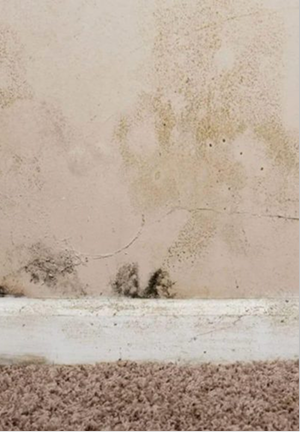
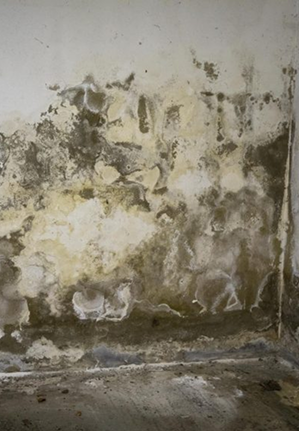
Condensation usually produces surface water and speckled black mould on paint, silicone and window seals, with the wall underneath feeling dry once wiped. Damp moving through masonry often leaves brown or yellow staining with defined edges, salty white deposits, blown plaster, or paint that bubbles and flakes. A wavy line low on the wall can point to ground moisture.
Try the foil test
A simple home check can help. Dry the affected area, then tape a square of kitchen foil firmly to it, sealing all four edges. Leave it for 24 to 48 hours. If moisture has formed on the outer, room-facing side, the air in the room is the likely source. If the wall side of the foil is wet, the water is probably coming from within the wall. Treat the result as a pointer rather than proof; salts in old plaster and mixed causes can confuse it.
Why the two often overlap
Many homes have both. A wall made wet by penetrating damp loses heat faster, so it also attracts condensation and mould. Equally, years of heavy condensation can soak plaster until it behaves like a damp wall. That is why spending money on one treatment without checking can be frustrating: the visible problem improves a little, then returns.
What a survey adds
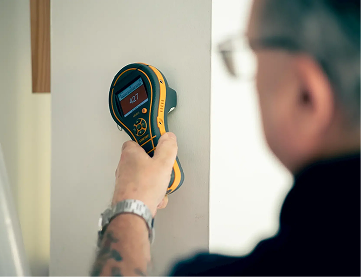
A professional survey goes further than home checks. Moisture meter readings are taken across the wall and compared with readings elsewhere; thermal imaging shows cold spots and hidden wet areas; temperature, humidity and dew-point readings show whether the room conditions are right for condensation. The outside of the building is inspected for defects in pointing, render, gutters and seals. Put together, that gives a clear answer and a treatment plan that targets the real cause.
If you have tried the checks above and are still unsure, our team can survey the property and explain what we find in plain terms. Ring 07518 705555 or fill in the enquiry form to book a visit.
Frequently Asked Questions
What is the foil test for damp?
Tape a square of kitchen foil tightly to the affected wall and leave it for a day or two. Moisture on the room side of the foil suggests condensation; moisture underneath it suggests water coming from within the wall. It is a rough guide, not a diagnosis.
Can a house have condensation and damp at the same time?
Yes, and it is common. A wall made damp by rain or a leak is colder than a dry one, so it attracts condensation too. That mix is one reason the cause can be hard to pin down without proper testing.
Is condensation a type of damp?
In everyday speech, yes. Surveyors usually separate it from structural damp because the water comes from the air inside the home rather than from the ground, the weather or plumbing, and the fixes are completely different.
Will a dehumidifier help with damp coming through a wall?
It may dry the air in the room a little, but it will not stop water entering the wall from outside or from the ground. The source needs to be repaired, otherwise the wall will stay wet however much the dehumidifier collects.
Related help
If this sounds like your home, our damp and mould surveys service explains how we diagnose and treat it in practice. You may also find Rising Damp vs Penetrating Damp Explained and What Causes Damp in Homes useful.
Need help with this?
Our team covers Leeds and across Yorkshire. Call 07518 705555 or find out more about our service.
Book a damp survey