Published by Yorkshire Damp & Mould
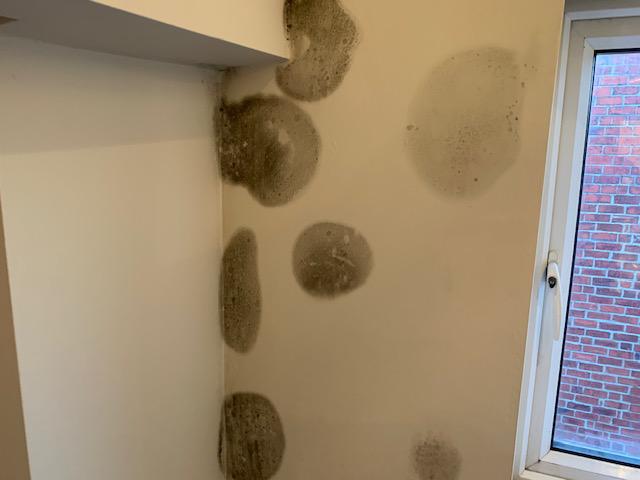
Living with damp or mould in a rented home is stressful. It spoils belongings, makes rooms unpleasant to use and can worry anyone with health problems. Tenants often feel unsure whether they are allowed to raise it, whether they will be blamed, and what to do if nothing happens. This guide sets out practical steps. It is general information rather than legal advice; for your specific situation, check official guidance on gov.uk or speak to an advice service.
Report it early and in writing
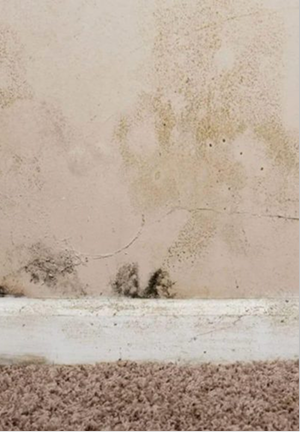
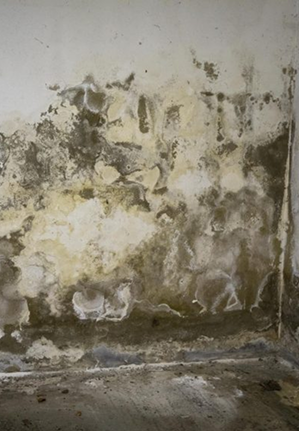
Tell your landlord or letting agent as soon as you notice a problem, even if it seems minor. Use email, a letter or the repair portal they provide, so there is a dated record. Describe which rooms are affected, where on the wall or ceiling the problem is, when you first saw it and whether it is spreading. Mention any smell, peeling paint or water marks. Ask when someone will come to inspect.
Keep a simple record
A short diary makes a real difference if the problem drags on. Take photos with the date visible, ideally from the same spot each time, so changes are easy to see. Note when it gets worse, for example after heavy rain or on cold mornings, as that helps whoever investigates. Keep copies of every message sent and received. Store damaged items or photograph them before you throw them away.
Allow access for inspection
The cause of damp is rarely obvious from photos alone. Let your landlord or their contractor in to look at the property, and share what you have noticed. Point out anything you think might be relevant, such as a fan that does not work, a gutter that overflows or a radiator that never gets warm.
Reduce moisture while you wait
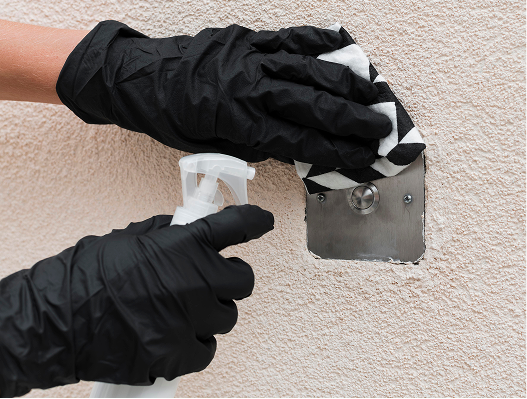
You will not be able to fix a building defect yourself, but you can limit how much moisture builds up. Run extractor fans when cooking and bathing, and report any that are broken. Keep trickle vents open and air rooms briefly each day. Dry clothes outside or in a room with the window open and the door closed. Keep furniture slightly away from outside walls. Small patches of mould can be cleaned carefully with gloves and a mask in a ventilated room, but do not tackle large areas yourself.
If you have health concerns
If you or anyone in your household has symptoms that could be linked to damp or mould, follow NHS guidance and see a GP. Let your landlord know if someone in the home is particularly vulnerable, for example a baby, an older person or someone with a breathing condition, as that can help them prioritise the repair.
Social housing and the law
If you rent from a council or housing association in England, Awaab's Law now sets timescales for landlords to investigate and deal with damp and mould hazards. Our separate guide explains the main points as reported. The rules are being phased in, so check the current position on gov.uk. A consultation on similar duties for private landlords is under way, with no start date confirmed.
If nothing happens
If your landlord does not respond, or the repair does not solve the problem, follow up in writing and keep your records up to date. Your local council's housing or environmental health team may be able to help, and free independent advice is available from organisations such as Citizens Advice and Shelter.
Talking to us
We survey homes for tenants, landlords and homeowners across Leeds, Bradford, Wakefield and Harrogate, and our written report explains the cause in plain language. If you would like to discuss a problem in your rented home, call 07518 705555 or send an enquiry through the form.
Frequently Asked Questions
How should I report damp and mould to my landlord?
In writing, by email or through the landlord's or agent's repair system, so there is a dated record. Say which rooms are affected, when you first noticed it and whether it is getting worse, and attach clear photos.
Can my landlord say condensation is my fault?
Condensation is affected by both how a home is used and how it is built, heated and ventilated. Daily habits matter, but so do things like missing extractor fans or cold walls. A proper inspection is the fair way to establish what is causing the problem.
Who can I contact if my landlord does not respond?
Your local council's housing or environmental health team may be able to help. Free independent advice is available from organisations such as Citizens Advice and Shelter, and official guidance is published on gov.uk.
Can a tenant arrange a damp survey?
Yes, although any repair work would normally need the landlord's agreement. Many tenants share a survey report with their landlord as an independent explanation of the cause. You are welcome to contact us to talk it through.
Related help
If this sounds like your home, our damp and mould surveys service explains how we diagnose and treat it in practice. You may also find Awaab's Law: What Landlords Must Do About Damp and Mould and Mould on Walls: How to Clean It and Stop It Returning useful.
Need help with this?
Our team covers Leeds and across Yorkshire. Call 07518 705555 or find out more about our service.
Book a damp survey